Voices of the Past: A Slave Dwelling Project Weekend
About the Slave Dwelling Project
The Slave Dwelling Project (SDP) is a nationally recognized nonprofit dedicated to preserving and interpreting extant slave dwellings and ensuring that the lives of the enslaved are fully acknowledged as central to the American story. Founded in 2010 by public historian Joseph McGill, Jr., the Project began with a deeply personal act—sleeping in former slave dwellings to honor the enslaved Ancestors and bring attention to these often-neglected structures that are vital to understanding the American built environment. What started as a solitary act of remembrance has grown into a national movement. Through more than 250 overnight stays at over 150 sites across 25 states and Washington, D.C., along with campfire conversations, conferences, lectures, and its signature living history program, Inalienable Rights: Living History Through the Eyes of the Enslaved, the Slave Dwelling Project creates immersive, transformative experiences that invite the public to engage with history in honest and meaningful ways. Grounded in a vision of a more truthful and inclusive national narrative, SDP works to preserve these spaces as classrooms, elevate descendant voices, and ensure that the stories, humanity, and contributions of enslaved people are neither overlooked nor erased.
About Voices of the Past: A Slave Dwelling Project Weekend
In Fredericksburg and Stafford (FXBG), this national mission takes on a deeply local and collaborative form. Situated in a region rich with early American and Civil War history, the FXBG program brings together historic sites, descendant communities, scholars, and the public to explore the full and often underrepresented history of the area. Through immersive programming—including overnight stays in extant slave dwellings, living history demonstrations, campfire conversations, and public events—the program activates historic spaces as places of dialogue, reflection, and connection. Central to this work is the intentional inclusion and elevation of descendant voices, creating opportunities for individuals and families to reconnect with ancestral spaces while helping to shape how these histories are interpreted and shared. At a time when honest historical narratives are increasingly challenged, the FXBG program ensures that the stories of the enslaved—stories of resilience, skill, family, and survival—are brought forward with clarity, integrity, and care, strengthening both community understanding and the broader national conversation about history, memory, and justice.
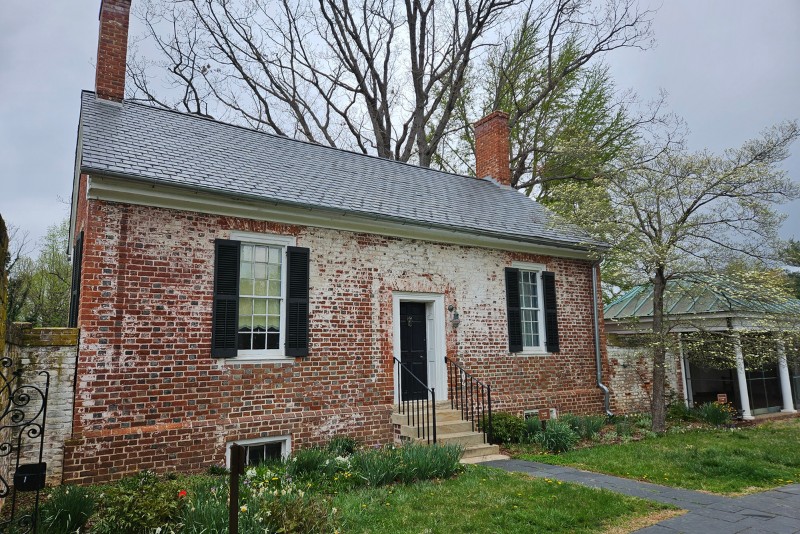
Chatham Laundry
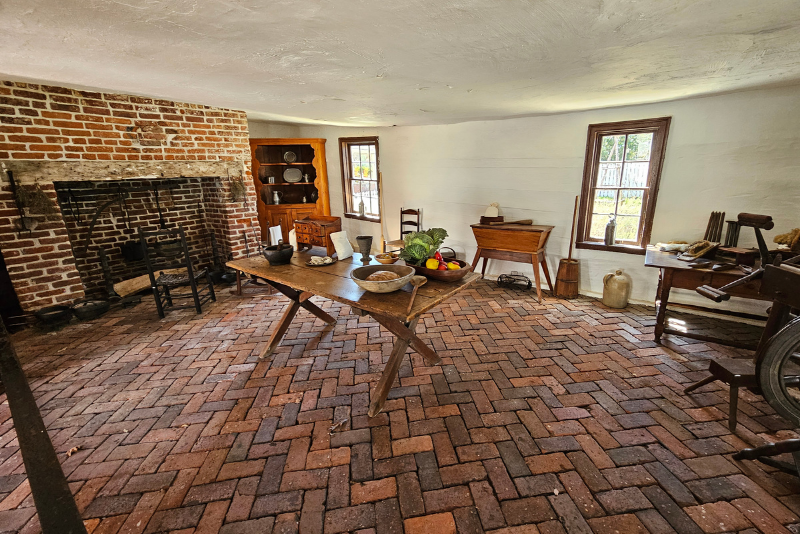
Mary Washington House Kitchen
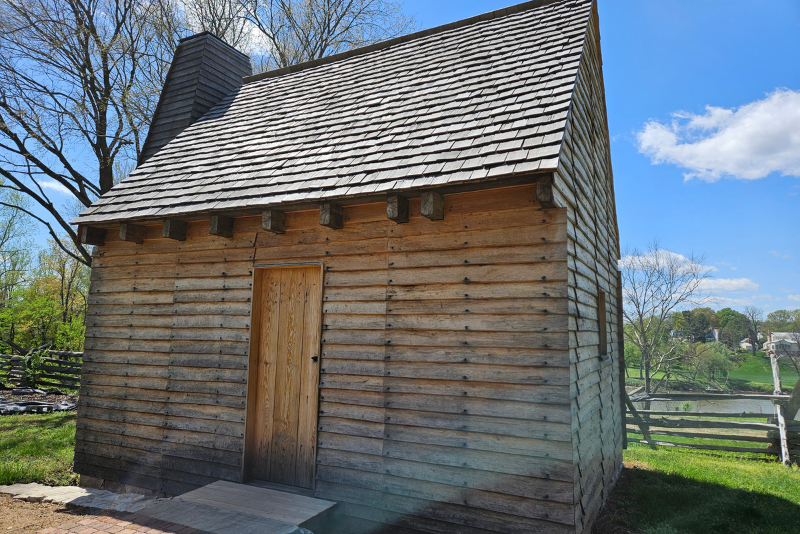
Ferry Farm Dwelling
Our Partners