Voices of the Past Participating Sites
Chatham
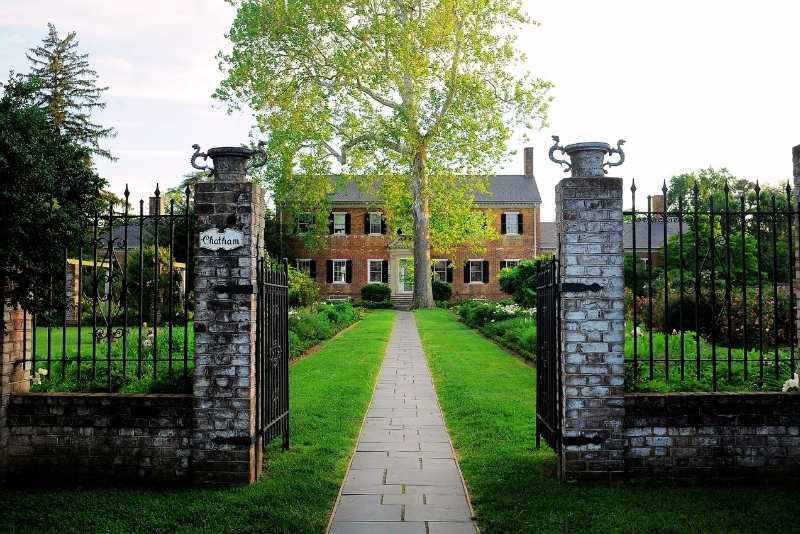
Enslaved laborers and craftsmen built Chatham Manor in 1771 at the direction and financing of William Fitzhugh. In addition to owning hundreds of thousands of acres and at least one hundred enslaved people, the Fitzhughs were related to and good friends with other well-known Virginians like George Washington, Thomas Jefferson, and George Mason. As Fitzhugh prepared to sell Chatham in the early 1800s, a slave uprising broke out at Chatham but was quickly put down. At the time of the Civil War, Confederate supporters Betty and J. Horace Lacy owned Chatham. During the Battle of Fredericksburg and its aftermath, Chatham served as a headquarters and field hospital. The Lacys returned to Chatham after the war but could not maintain their lavish lifestyle, as their wealth had been tied to the enslaved people who had claimed their freedom. Chatham’s fortunes changed in 1920, when Helen and Daniel Devore purchased the property. In the ensuing years the Devores transformed Chatham from a former slave plantation to a showy, country retreat. The look of Chatham today resembles the house after these restorations in the 1920s.
Visit Chatham on September 12 to learn more about enslaved laundress Ellen Mitchell, who negotiated and fundraised for her freedom on the eve of the Civil War. Chatham will also host a unit of United States Colored Troops and discussions of the enslaved people who left Lacy’s plantations to join the USCT. Join park staff for a day of walking tours and presentations highlighting African American history on site.
Moncure Conway House
Mary Washington House
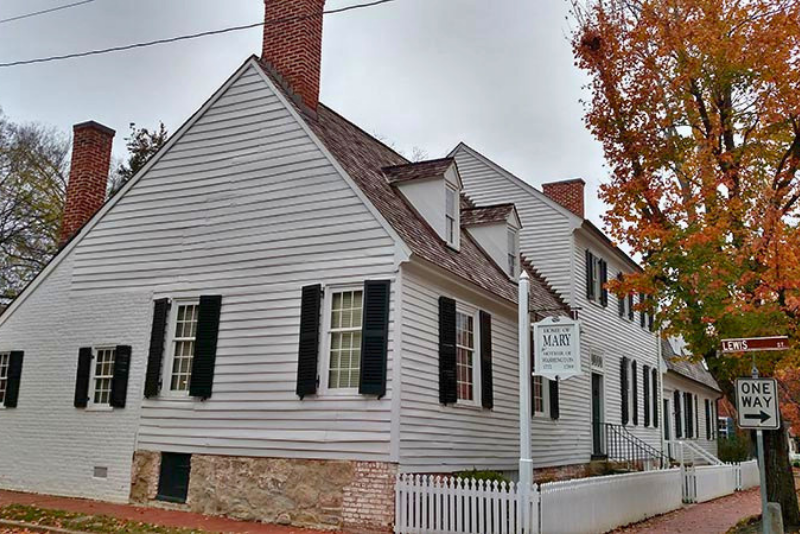
In 1772, George Washington purchased this home in Fredericksburg Virginia for his mother, Mary Ball Washington, and she spent her last seventeen years in this house. The white frame house sits on the corner of Charles and Lewis Streets and was in walking distance to Kenmore, home of Mary’s daughter Betty Washington Lewis. The President-to-be came to this home to receive his mother’s blessing before attending his inauguration in 1789. The house opened to the public in 1931, and today it is listed on the National Register of Historic Places and the Virginia Landmarks Register.
The cooking demonstration takes place adjacent to the 1804/05 kitchen dependency. Although Mary Washington died in 1789, the kitchen would have been very familiar to Mary Washington. The kitchen is open during the event.

Fredericksburg Area Museum
Discover the rich tapestry of Fredericksburg’s history at the Fredericksburg Area Museum (FAM) Housed in the historic Town Hall/Market House (circa 1816), FAM is dedicated to collecting, researching, interpreting, teaching, and preserving the diverse stories of our region. The programs, exhibitions, and educational initiatives at FAM aim to create meaningful connections between the past and present for all visitors.
The Auction Block, associated with the sale of enslaved people in Fredericksburg, now resides at FAM as part of an ongoing exhibition. The installations, “A Monumental Weight”, explores the block’s history and it’s cultural significance. In 2025, an ongoing memorial will be developed to honor those sold at the block.
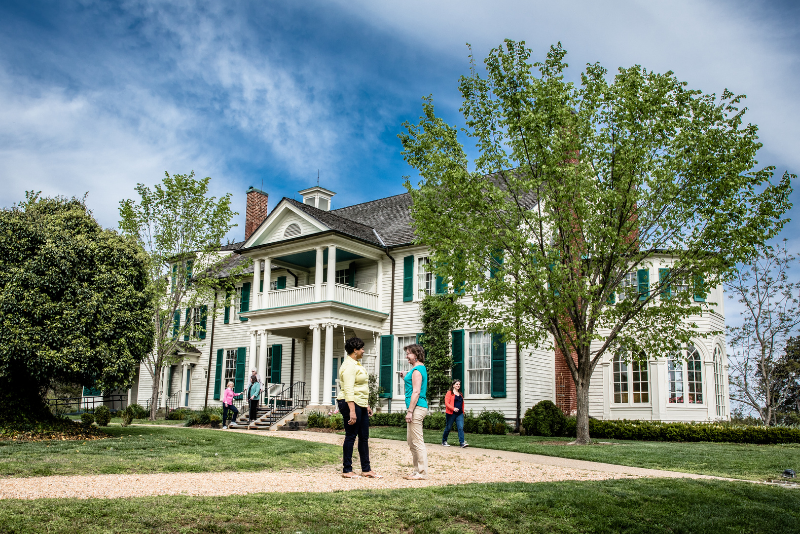
Gari Melchers Home & Studio
The furnished country home and art studio of American Impressionist painter Gari Melchers (1860-1932) appear as they did in the 1920s. The artist and his wife applied their creative skills to make the house, the studio, and the gardens, fields, and woodlands places of respite and inspiration. The stone studio and galleries display the largest collection of Melchers’ art anywhere, as well as work by other artists. The couple acquired much of their fine and decorative arts collections while they lived in Europe. As one of the most respected artists of his era, and an influential advocate of the arts, Gari Melchers typifies our country’s cultural vibrancy at the dawn of the 20th century.
The oldest section of the house dates to 1800. The caretaker’s cottage on the estate is believed to be on or near the site of housing for enslaved people. This structure was dismantled around the time of the Civil War, with the present building constructed on the same site and possibly with some of its remaining materials.
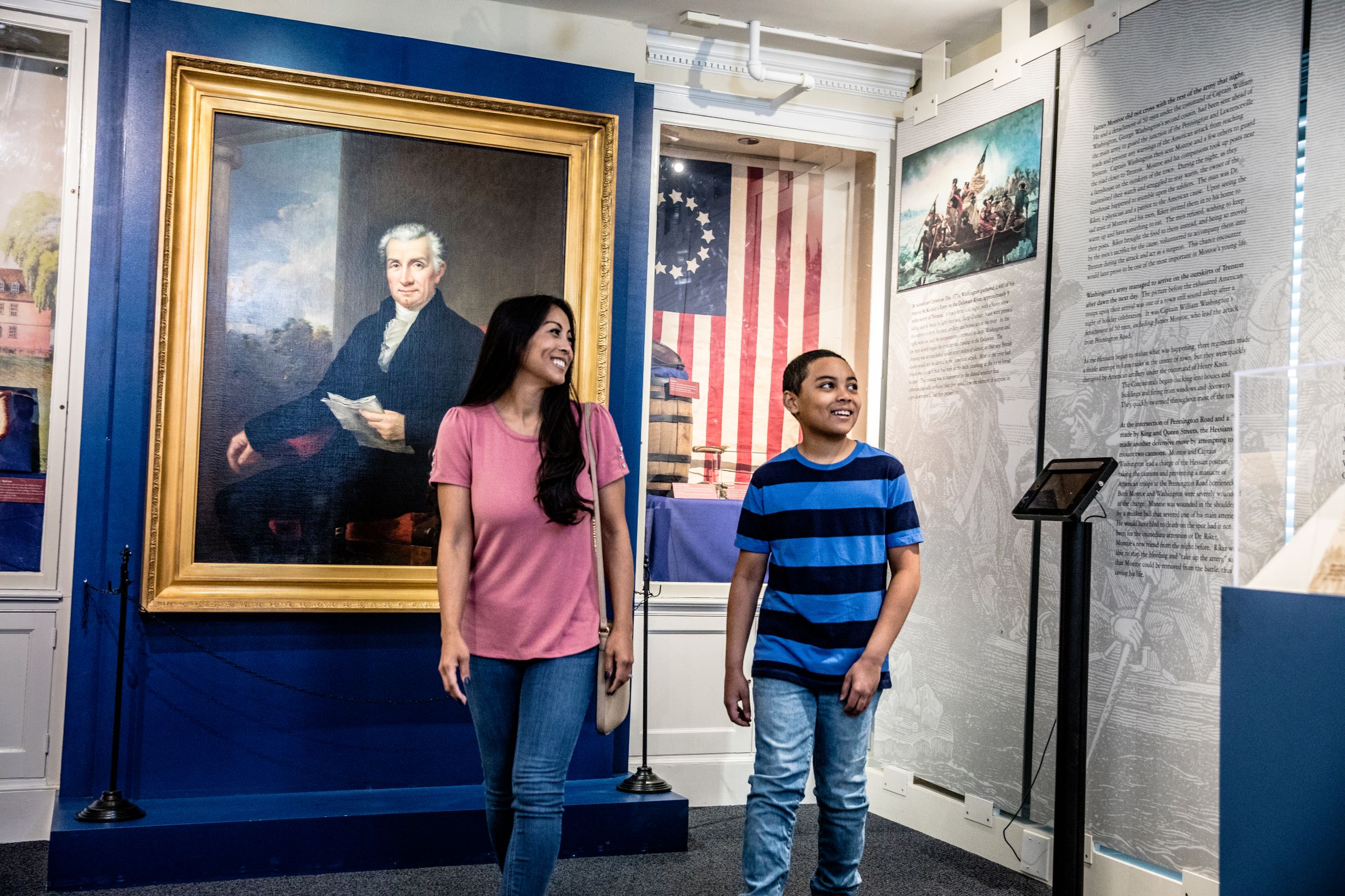
James Monroe Museum
The James Monroe Museum, located in historic downtown Fredericksburg, Virginia, is the largest repository in the country for artifacts and documents related to the fifth president of the United States. The museum was first opened in 1927 by Monroe descendants as a place to house their own personal collections, which had been handed down through generations of the family. Eventually, the museum and its extensive collections were turned over to the Commonwealth of Virginia, and the museum is now administered by the University of Mary Washington. There is no slave dwelling associated with the James Monroe Museum.
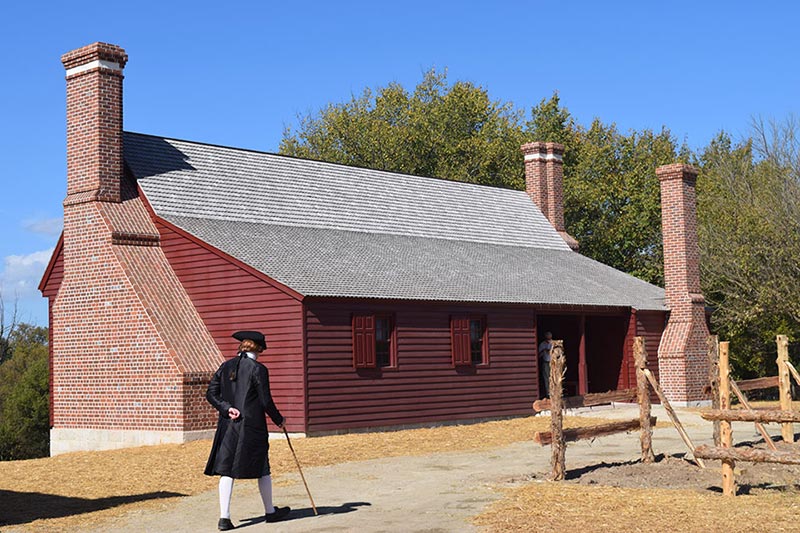
George Washington’s Ferry Farm
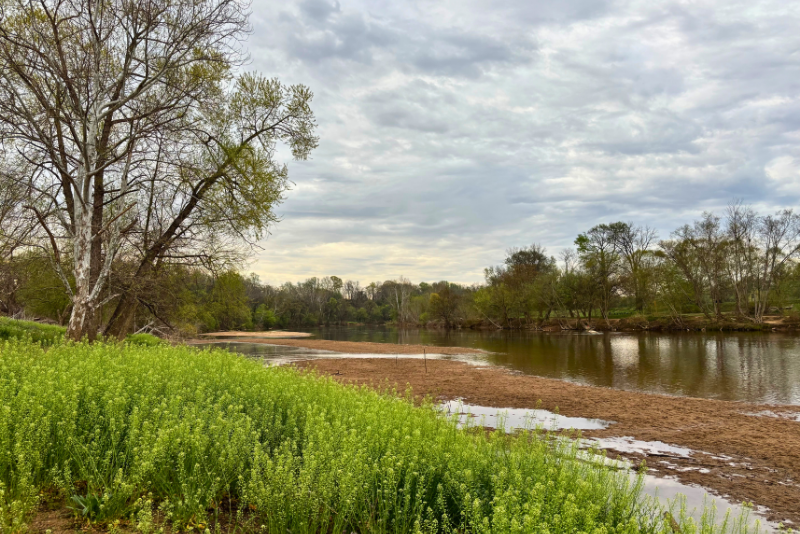
Falmouth Beach
This popular recreational beach on the Rappahannock River is the location of the historic Port of Falmouth. Ocean-going vessels docked here. Cargo, passengers, and enslaved people for sale came through this port for decades. Shipping declined in the 1830s due to increased silting of the Rappahannock.