

The Important Women of Fredericksburg
Important women of Fredericksburg have shaped the course of local and national history, leaving their mark from colonial times through to the present day. This itinerary highlights their stories and the places where their legacies live on, from the home of Mary Washington—mother of the nation’s first president—to the contributions of Clara Barton, who turned a Fredericksburg church into a field hospital during the Civil War. Discover the entrepreneurial spirit of women who built businesses in the city’s thriving downtown, as well as the civic leaders and trailblazers who championed progress and change in the 20th century and beyond. Gain a deeper understanding of how women have shaped Fredericksburg’s identity, weaving together stories of resilience, leadership, and innovation that continue to inspire today.
Stop 1
Start at the Fredericksburg Visitor Center where you can obtain maps and additional information on these stops. Located one block up from the Visitor Center, in the 700 block of Caroline Street, you can see the longtime home of Doris Buffet, sister of Warren Buffet, and philanthropist who greatly impacted the Fredericksburg Community. She donated money to a number of local organizations and her Sunshine Lady Foundation created a fund so that the city pool (now named the Buffet Pool in her honor) would be accessible to all city residents, regardless of income.
Stop 2
Located just across the street from Stop #1, now the location of a BBQ restaurant, is “The Chimneys“, as the building is known. Built in the 1770s, the home was purchased in the 1800s by Naval Commander William Lewis Herndon. His daughter, Ellen Lewis Herndon, later married Chester A. Arthur who became the 21st President of the United States. During Ellen’s time at The Chimneys, she was known for her ability to sing as a soprano. She later moved to New York City and was a soloist for the Mendelsohn Glee Club.
Stop 3
Elizabeth Long Eubanks owned the Thornton’s Tavern house on Sophia Street. Despite being clad in modern materials, this is thought to be one of the oldest buildings in Fredericksburg. Built in 1746, the building served as a tavern, mercantile shops, and base for ferry operation across the river. Elizabeth Long Eubanks owned the property during the Civil War, at a time when it was very uncommon for a woman to own property. After the local bridges were destroyed, she helped revive the ferry in order to facilitate movement across the river.
Stop 4
The “Greetings from Fredericksburg Mural” depicts key figures and features the City of Fredericksburg native, Mary Katherine Greenlaw, who was elected as the first female mayor of Fredericksburg in 2012. She has served on the boards of the Mary Washington Hospital Foundation and Thruman Brisben Center and she is a founding member of the Fredericksburg Festival of the Arts.
Gaye Adegbolola, born and raised in Fredericksburg, is a winner of the Blues Music award and is a founding member of the blues group Saffire – Uppity Blues Women. Prior to becoming a full-time musician, she taught science in the Fredericksburg City School system and was involved in theater projects to help Black youth develop confidence during the desegregation era. She has won numerous awards for her work as an educator, a musician, and as an activist for social justice.
Stop 5
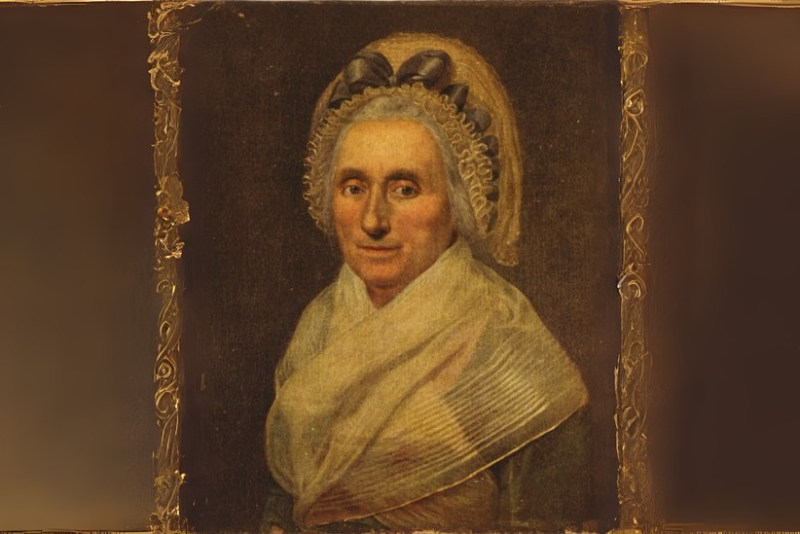
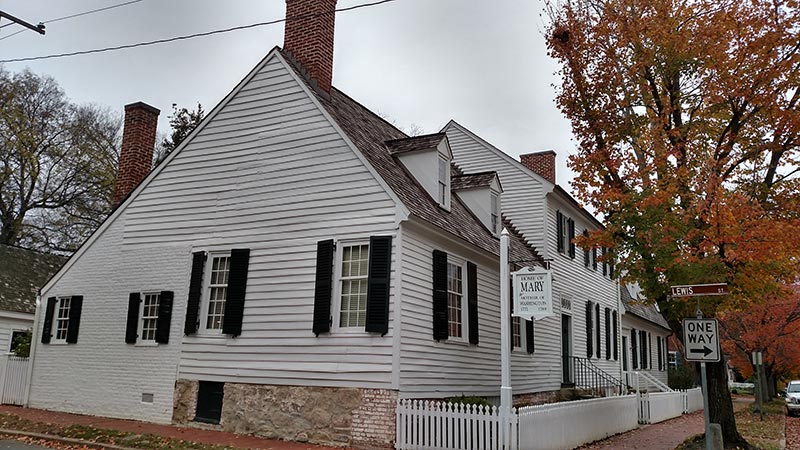
Purchased by George Washington for his mother in 1772, the Mary Washington House is a simple frame house where she spent the last 17 years of her life. Her English-style garden has been restored and the house contains some of her prized personal possessions as well as many fine period pieces.
Stop 6
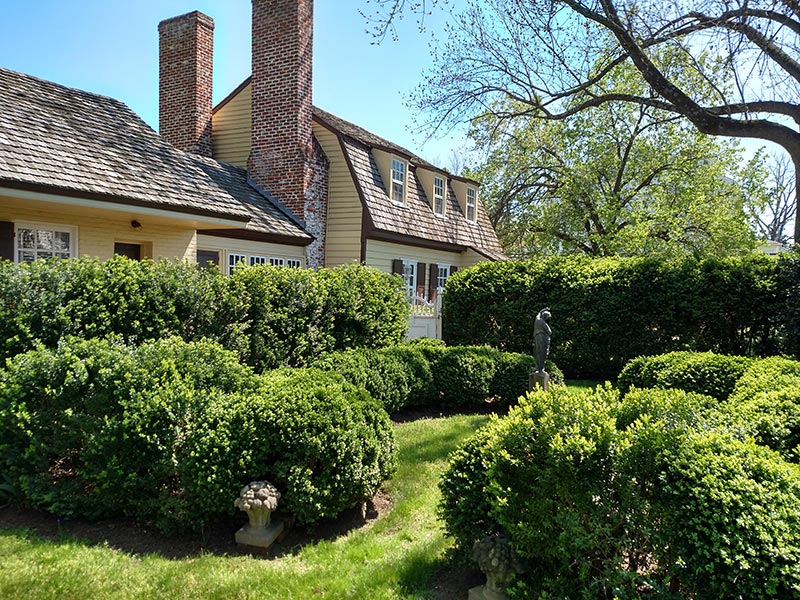
Jane Howison Beale grew up in St. James House, a colonial-era home originally built for local lawyer, James Mercer. Her diary covering the years 1850-1862 became famous for her first-hand accounts of events during the Civil War, including the experience of hiding in the basement as her home and the surrounding area was bombarded by cannon fire. During the exchange her home was hit and her son was injured. St. James House is only available for touring during Historic Garden Week in the spring and during the first full week of October. Group reservations are available by appointment.
Stop 7
Historic Kenmore is the elegant, historic Georgian-style brick mansion of George Washington’s sister, Betty Washington Lewis. The mansion is know for it’s ornate plasterwork ceilings and the Aesop’s fable them in the dining room overmantel is said to have been suggested by Washington himself. A reproduction of the 1700’s wall to wall carpet shows a vibrant color scheme, similar to what would have been the original floor covering.

Stop 8
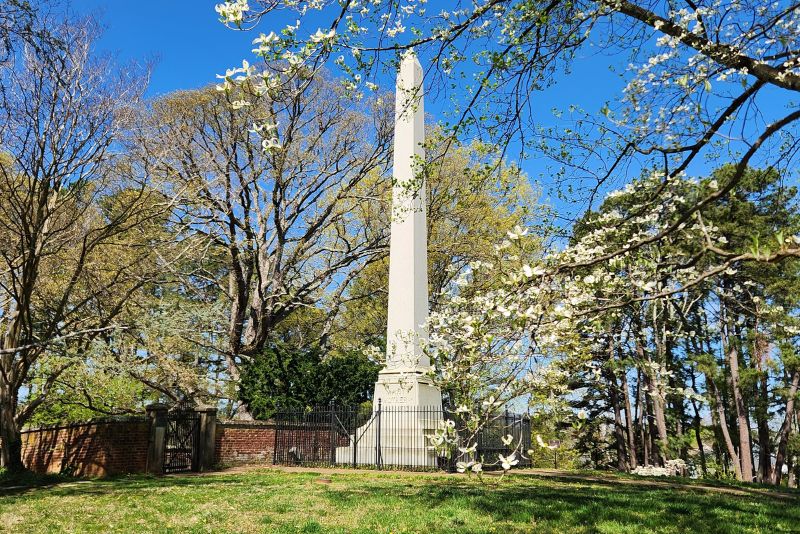
The Mary Washington Monument and Meditation Rock marks the grave of Mary Washington. Work on the monument started in 1789, but remained unfinished for many years. In 1893, the Daughters of the American Revolution started a fundraising campaign to finish the monument. It was completed and dedicated in 1894. The nearby “Meditation Rock” was a place where Mary frequently went to pray and meditate during the last 17 years of her life when she lived in Fredericksburg.
Stop 9
Janetta Fitzhugh was a founding member of the Equal Suffrage League, Fredericksburg Chapter, in 1912. As one of the eight members, Janetta was elected President of the new chapter. By 1918, the group had grown to 325. She marched in Washington, DC in 1913 in support of women’s suffrage and continued to advocate for the right for women to vote until the ratification of the 19th amendment in 1920. Janetta was one of the first women to register to vote in September 1920. She died in 1950 and is buried in the family plot in the Fredericksburg Confederate Cemetery, which also became a cemetery for the general public in 1844.
Stop 10
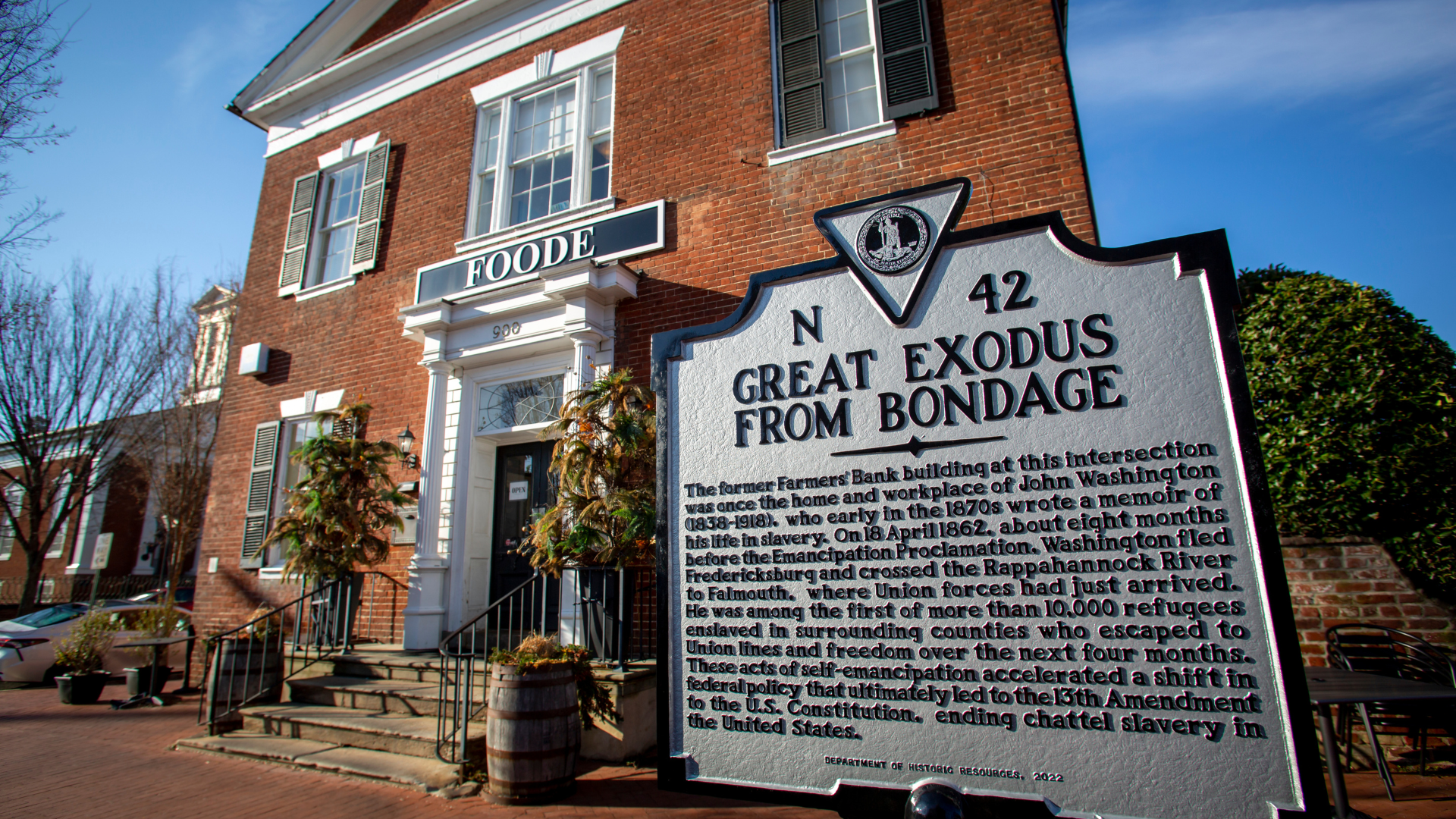
The National Bank Building on Princess Anne Street was built in the early 1800s and served as a bank, a residence, Union forces headquarters during the Civil War, and as the Freedman’s Bureau after the Civil War. It is currently the location of Foode, an upscale Southern cuisine restaurant owned by Chef Joy Crump and business partner Beth Black. Chef Crump trained at the Culinary Institute of Atlanta, competed on Bravo’s Top Chef, and has cooked at the James Beard House on multiple occasions.
During the Civil War, the upper floor of this building was the residence of Catherine Taliaferro and her family. Sarah, an enslaved woman in the household, served as the family’s cook. Sarah had five children and could read, an unusual skill for her time. She taught her son, John Washington, the alphabet. This helped him to later write an illuminating memoir about his experience as an enslaved Black man for 24 years prior to escape. When John was 11, Sarah was sent to work for another family in Staunton, VA while John was kept in Fredericksburg.
Stop 11
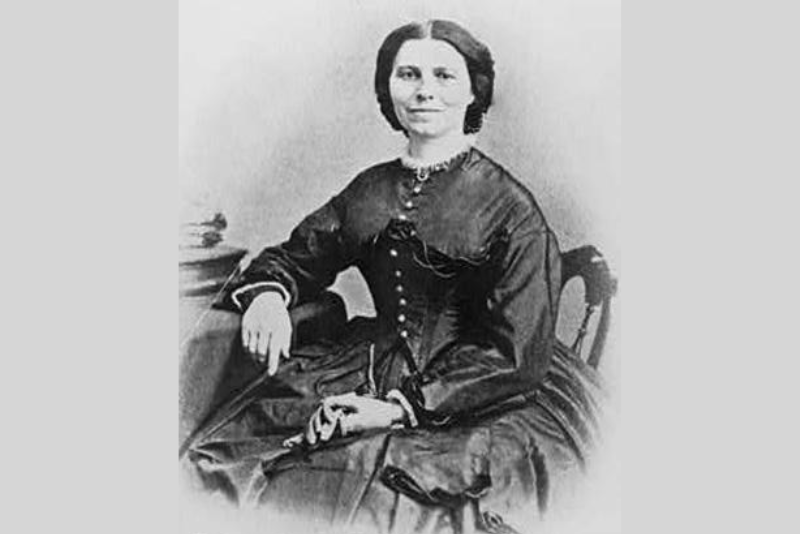
During the Civil War, Clara Barton nursed wounded soldiers at Chatham (In Stafford County) and in the Presbyterian and Episcopal churches in Fredericksburg, She later went on to become the founder of the American Red Cross.
Stop 12
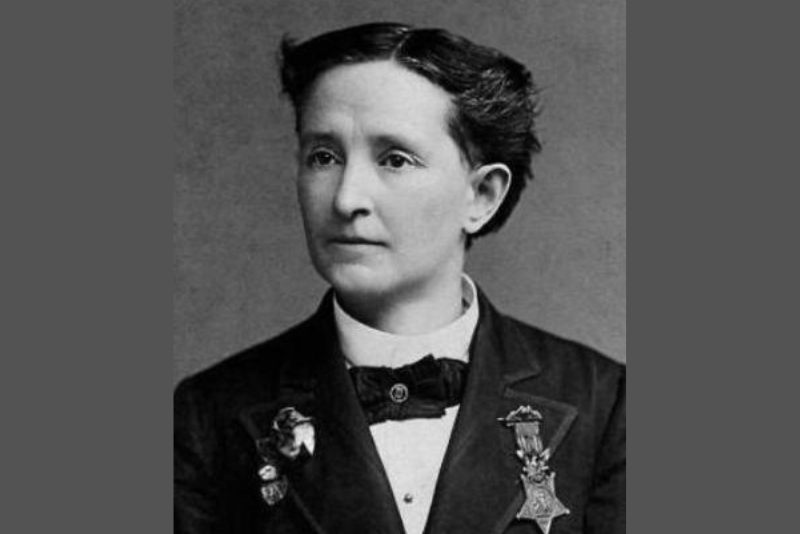
When she was only 23, Mary Walker became the second woman in the United States to finish medical school. As a doctor and field surgeon, she tended to the wounded on the battlefields, including at the Battle of Fredericksburg. For her work she became and remains the only female recipient of the Congressional Medal of Honor. She is also know for her preference for dressing in male clothing, believing that female clothing, such as corsets, caused medical issues.
Contact Information
Haley Backlund
Tourism Services Coordinator
City of Fredericksburg Department of Economic Development and Tourism
[email protected]
540-372-1216
